Danmarks Radio skriver sorgløst
De ukrainske styrker er i gang med at bruge de klyngebomber, de fik doneret tidligere på måneden af USA – og de bliver brugt “effektivt”.
Det viser de foreløbige efterretninger fra slagmarken, lød det torsdag aften fra John Kirby, der er talsmand for national sikkerhed i Det Hvide Hus. Det skriver BBC.
– De (ukrainerne, red.) bruger dem effektivt, og de har faktisk en virkning på Ruslands forsvarsformationer og manøvrering. Så tror jeg ikke, jeg behøver at sige mere, sagde John Kirby.
Han behøver ikke at sige mere og har sikkert heller ikke lyst. Og det har Danmarks Radio heller ikke, men er forpligtet til at oplyse at donationen af klyngebomberne ikke var “uden modstand fra flere lande – brugen, produktionen og opbevaringen af klyngebomber er forbudt ifølge “konventionen om klyngebomber”, der har opbakning fra 123 lande”. Der er fordi “efterlader en masse små, udetonerede bomber over et stort areal, der kan springe, hvis et barn samler dem op”. Klyngebomber er kun gode mod bløde mål, såsom civile eller en klassisk asiatisk menneskebølge, med deres “disregard for human life”. Danmark er derfor med i de 123 lande, der regner brugen af klyngebomber som en krigsforbrydelse i sig selv.
“USA’s præsident, Joe Biden, indrømmede også dengang, at det var en svær beslutning at sende klyngebomber afsted.” får vi at vide. Gamle Biden har gransket sin samvittighed, men da “man var ved at løbe tør for andet ammunition og at modoffensiven gik langsommere end ventet” er håbet at “de her klyngebomber (…) måske [vil] give ukrainerne overhånden i artilleriduellen”.
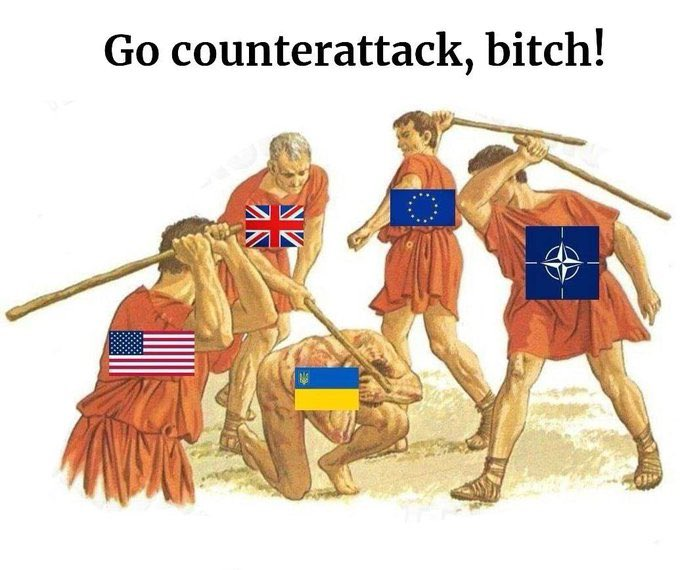
Håbet er altid lysegrønt i propagandaen. Men ikke desto mindre går det altså så dårligt for den vestlige proxy-krig i Ukraine, at man hellere vil begå krigsforbrydelser end erkende nederlaget. Alle de små ueksploderede bomber, vil blive samlet op af små ukrainske børnehænder. Så hvorfor kaster ukrainerne dem så? Fordi det primært er russisktalende børnehænder der samler dem op i den etniske krig mellem Ukraine og Rusland.
Unge John Kennedy skriver for Mises Wire
The Office of Censorship was abolished under Executive Order 9631 in 1945, but the tone toward free press and government would enter a new era. With the introduction of televised news into American households, any event such as wars could now be recorded and presented to millions of people. So, when the Vietnam War started, people believed they could see firsthand what it was like on the ground. However, as the Harvard Crimson writes:
Only about 22 percent of all television reports from Vietnam before 1968 showed “actual combat, and often this was minimal—a few incoming mortar rounds or a crackle of sniper fire.” In addition, of 167 film reports he reviewed, “only 16 had more than one video shot of the dead or wounded.” The American people simply did not see gore night after night.
Vietnam offered a new form of censorship that is still prevalent today: noncritical reporting in the place of outright censorship. During the Gulf War and the war on terror, the media would portray these wars as crusades for democracy and use “experts” to justify them.
The War on Terror and Beyond
The first Gulf War ended after just forty-three days of combat, a quick American victory that was painted as a cure for the defeat in Vietnam. However, when freelance journalist Jon Alpert, a longtime contributor to NBC News, visited Iraq and filmed hours of uncensored footage of the collateral damage, his relationship with the news network was terminated. As Variety states:
After viewing Alpert’s footage, “NBC Nightly News” topper Steve Friedman and anchorman Tom Brokaw knew they had a scoop and were eager to put the stuff on the air. But NBC News supremo Michael Gartner, who never saw the footage, put the kibosh on the deal. And he put an end to Alpert’s 12-year relationship with the Peacock net’s news division.
Jon Alpert would take his footage to CBS, where executive producer Tom Bettag tentatively approved it, but the content never aired: “While Alpert was cutting the piece, he got a call from CBS informing him that Bettag had been fired and that his piece was killed. By the time he went to ABC, the news division had a man in Baghdad.”
Medierne optrådte alt for villigt som statens propagandister, men det er blevet værre de seneste årtier. Obamas sikkerhedsrådgiver Ben Rhodes forklarede det således
“All these newspapers used to have foreign bureaus. Now they don’t. They call us to explain to them what’s happening in Moscow and Cairo. Most of the outlets are reporting on world events from Washington. The average reporter we talk to is 27 years old, and their only reporting experience consists of being around political campaigns. That’s a sea change. They literally know nothing.”
I mit Twitter feed har jeg propagandister for både russerne og ukrainerne og de har det tilfælles, at de viser billeder fra fronten, af hvorledes deres side, slagter modstanderne. Eller også ser man modstanderne blive slagtet, på billeder man har taget fra de dødes gopros. Ideen er tydelig, men man ser ikke så mange grusomheder i medierne. Men “Trump says the media is lying about the war in Ukraine:”
“You’re going to find out when this whole thing is over that the number of people killed is far greater than they tell you. They’re not telling you the truth. I’m for one thing. I want to stop people from getting killed.”
Ingen i Vesten, hvor der endnu ikke eksisterer en reel opposition til krigen, ønsker at se omfanget af den tragedie, der kunne være undgået. Imens fortsætter tragedien med stadig flere ofre. David Sacks skrev på Twitter
Former Google CEO @ericschmidt, who is now a player in the MIC and has spent a lot of time with the Ukrainian military, confirms a number of important points in this interview with @FareedZakaria:
(1) The Russians have a major artillery advantage and they’re not going to run out. He says the Russians are using 60,000 shells/day compared to 5,000 shells/day for the entire Western production. This is even higher than the 10:1 ratios for balance of artillery that I’ve seen in other contexts.
(2) Punching through Russian lines in order to march to the Sea of Azov and sever the land bridge to Crimea (the strategy of the Ukrainian counteroffensive) is “an insurmountable task.” There are too many obstacles, and even if a column could get through, it would immediately be bombarded with artillery from all sides.
(3) The war will go on for years because neither side has sufficient advantage. The only potential game-changer that he sees is if Ukraine can mass produce drones. But he says the factories have to be built in Ukraine “for various reasons.” I don’t know what those reasons are, but this seems unrealistic to me since the Russians can disrupt production by bombing the factories.
Also, I don’t see why, given the artillery advantage, Russia lacks sufficient advantage to go on offense once the Ukrainian counteroffensive culminates; in fact, this is already happening in the north.
If a stalemate is likely to be the best case scenario, why aren’t we talking peace?
Spørg ikke Kirby, for han behøver ikke at svare.
 MONOKULTUR
Skriv en kommentar